
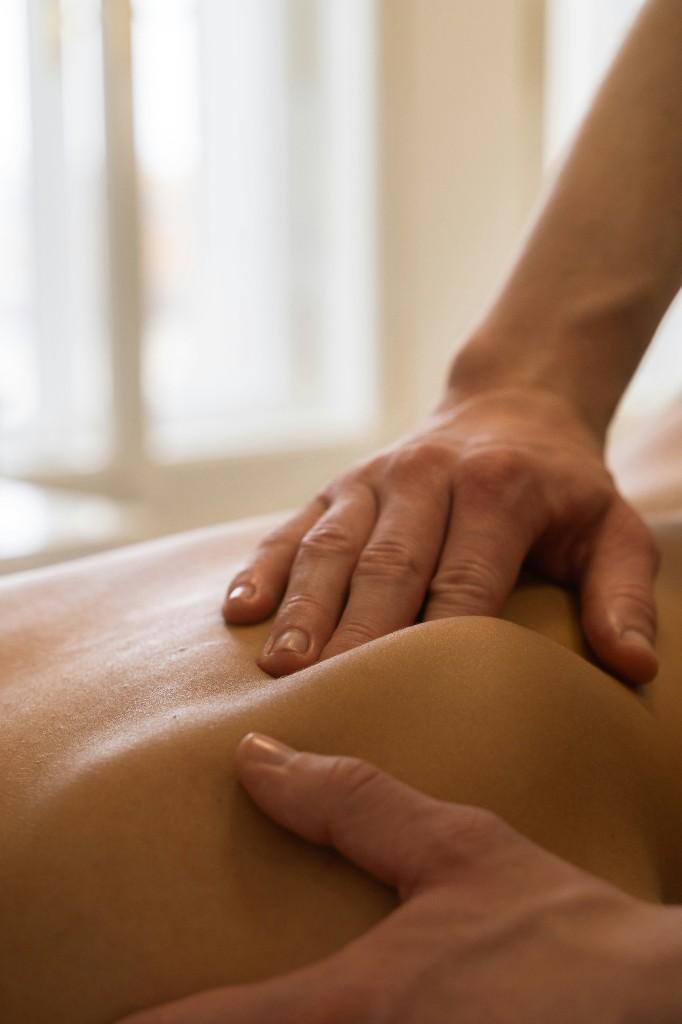
Lower back pain is one of the most prevalent physical complaints in the UK, affecting an estimated 80 per cent of adults at some point in their lives. It is the leading cause of work-related absence and one of the primary reasons people seek complementary therapies outside the NHS. Massage therapy is consistently among the most popular choices — but does it actually work, and if so, how?
What Causes Most Lower Back Pain?
The majority of lower back pain in otherwise healthy adults is classified as non-specific — meaning it has no identifiable structural cause such as a disc herniation or spinal pathology. It is, in most cases, a musculoskeletal problem: a combination of muscular tension, postural habits, movement patterns, and the accumulated physical effects of a sedentary lifestyle.
The muscles most commonly involved in non-specific lower back pain include the erector spinae, quadratus lumborum, piriformis, and hip flexors. When these muscles are chronically shortened, overloaded, or poorly balanced, they create a pattern of tension and restriction that manifests as lower back pain — sometimes acutely, more often as a persistent, low-level ache that varies in intensity with activity and rest.
What the Evidence Says About Massage for Lower Back Pain
The evidence base for massage therapy as a treatment for non-specific lower back pain is genuinely encouraging. Multiple systematic reviews and clinical trials have found that massage therapy produces significant reductions in pain and disability in the short to medium term, comparable to other recommended treatments such as exercise therapy and manual therapy.
The mechanisms are not fully understood, but are thought to involve a combination of direct effects on muscular tension and fascial restriction, neurological effects on pain perception via the gate control mechanism, and broader nervous system effects including the reduction of cortisol and the release of endorphins.
What Type of Massage Works Best for Lower Back Pain?
For lower back pain, Swedish massage with adjusted pressure and a therapist-led focus on specific problem areas tends to produce the best results. The treatment should address not just the immediate site of pain but the surrounding structures that contribute to it — the glutes, hip flexors, hamstrings, and thoracic spine all play a role in how the lower back functions and feels.
At Aurelian Massage in Bath, our full body treatments are designed to address the body as an integrated system rather than working in isolation on a single area. The Signature Swedish Full Body Massage (60 minutes) and the Aurelian Signature Massage (75 minutes) both allow adequate time to address the lower back and the structures that influence it. For a more focused session, we can adapt any of our treatments to prioritise the lower back, glutes, and legs.
When Not to Use Massage for Back Pain
Massage is not appropriate for all types of back pain. If your lower back pain is accompanied by leg pain, numbness or tingling below the knee, bladder or bowel changes, unexplained weight loss, or has followed a significant fall or accident, seek medical assessment before booking a massage. These symptoms can indicate a structural problem that requires different management.
For garden-variety non-specific lower back pain in otherwise healthy adults, massage is safe, evidence-based, and — when delivered by a skilled therapist — genuinely effective.